
Compare Local Contractors for Reliable Plumbing Services
Compare local contractors to define project scope, verify experience, and set clear expectations in writing for your plumbing needs.
Plumbing contractors handle a wide range of services related to the installation, repair, and maintenance of plumbing systems within residential, commercial, and industrial properties. Typical work includes fixing leaks, replacing fixtures, installing new piping, and addressing drainage issues. Whether dealing with a clogged drain, a faulty water heater, or a complete plumbing overhaul, these professionals have the skills to manage both routine tasks and more complex system modifications. Clarifying the scope of work upfront helps ensure that property owners and contractors are aligned on what needs to be done, reducing misunderstandings and ensuring the project proceeds smoothly.
Defining the scope of plumbing work is essential for establishing clear expectations and preventing scope creep. Property owners should carefully outline the specific tasks involved, including any materials or fixtures that need to be installed or replaced. Having a detailed scope in writing provides a reference point for both parties and helps avoid misunderstandings that could lead to disputes or incomplete work. When comparing local contractors, it’s beneficial to inquire about how they approach scope definition, whether they provide written estimates, and how they handle changes or additional work that may arise during the project.
Comparing local contractors involves evaluating their experience, reputation, and approach to project management. Property owners can gather information through references, reviews, or previous work examples to assess how well a contractor understands the scope of plumbing projects similar to their own. It’s also helpful to ask how each service provider communicates with clients, how they handle unexpected issues, and whether they provide detailed, written proposals. By thoroughly comparing these aspects, property owners can identify contractors who are capable of meeting their specific needs and expectations, ensuring a more streamlined and transparent process.
Compare local contractors by outlining your project priorities, verifying experience, and setting clear expectations in writing.
- Compare Contractor Credentials - Review the experience and reputation of local contractors to ensure suitability for your plumbing needs.
- Define Project Scope Clearly - Outline specific tasks and expectations to facilitate accurate communication with service providers.
- Verify Experience and Expertise - Confirm that contractors have relevant background in plumbing projects similar to yours.
- Document Agreements in Writing - Keep detailed records of scope, expectations, and responsibilities to avoid misunderstandings.

Clearly describe your plumbing project and compare local contractors based on experience, scope, and written expectations.
- Verify the contractor’s experience with similar plumbing projects to ensure familiarity with the scope of work. - Consider reviewing their portfolio or asking for references to assess quality and reliability.
- Define the scope of work clearly in writing to prevent misunderstandings and ensure all necessary tasks are included. - Detailed project descriptions help establish expectations and responsibilities upfront.
- Ensure the contractor provides a detailed, written estimate outlining materials, labor, and specific tasks involved. - This documentation supports transparency and helps compare different service providers effectively.
- Check that the contractor is knowledgeable about local plumbing codes and regulations applicable to the project. - Compliance with local standards can prevent future issues and ensure proper installation.
- Discuss the project timeline and milestones to align expectations and facilitate smooth coordination with the service provider. - Clear communication about progress points helps monitor the project's advancement.
- Confirm that the contractor is willing to provide a written contract detailing the scope, costs, and terms of the work. - A comprehensive agreement protects both parties and clarifies project parameters.
Compare local contractors to clarify scope, verify experience, and set clear project expectations.

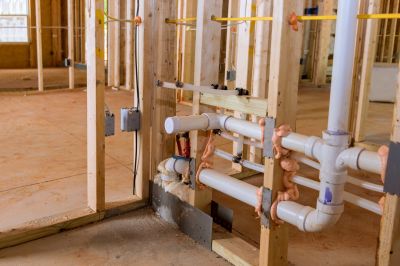
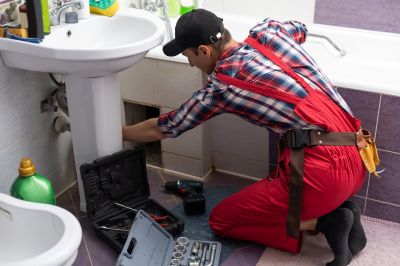

Use consistent scope definitions and clear expectations to effectively compare local contractors for plumbing projects.
- Project Scope - clearly define the specific plumbing tasks and areas to be addressed in the project.
- Material and Fixture Specifications - specify the types and qualities of pipes, fixtures, and fittings required for the job.
- Work Details - outline the procedures, installation methods, and any necessary preparations or site conditions.
- Responsibilities and Expectations - document the roles of the service providers and what deliverables are expected upon completion.
- Warranty and Service Terms - establish the coverage, duration, and conditions for post-installation support or repairs.
When comparing plumbing contractors, it is important to consider their experience with projects similar to your own. Service providers who have handled comparable plumbing tasks tend to be more familiar with the specific challenges and solutions relevant to your situation. Inquire about the types of projects they have completed and the complexity involved, ensuring their expertise aligns with the scope of your needs. This focus on relevant experience can help identify contractors who are well-equipped to deliver quality results for your plumbing work.
A clear, written scope of work is essential when evaluating plumbing contractors. A detailed description of the services to be performed, materials to be used, and the expected deliverables helps set transparent expectations. Contractors should be able to provide a comprehensive outline of what the project entails, avoiding vague language or assumptions. Having this scope in writing ensures that both parties agree on the work to be done, reducing misunderstandings and providing a solid foundation for the project.
Verification basics involve confirming that a contractor has the appropriate background and credentials relevant to plumbing work. While licensing and certification are not the focus here, verifying references, reviewing past projects, and understanding their work process are key steps. Requesting references from previous clients or checking online reviews can provide insights into the contractor’s reliability and quality of work. Additionally, understanding their approach to project management and communication can help determine if they are a dependable choice for your plumbing needs.
When evaluating options among local service providers, it is helpful to compare how each contractor defines the scope of work, their experience with similar projects, and their communication clarity. Ask for detailed descriptions of their approach and confirm that all aspects of the project are covered in writing. Avoid making decisions based solely on reputation or referrals; instead, focus on how well each contractor’s expertise aligns with your project requirements, and how clearly they communicate their process and expectations. This approach supports selecting a professional who can meet your plumbing needs effectively.
Ask contractors to provide written scope details to ensure clear expectations and consistent project understanding.
- Experience and Qualifications - How can I verify the experience and background of local contractors for plumbing work?
- Scope of Work - What details should be included to clearly define the plumbing project scope with service providers?
- Services Offered - Do contractors provide a comprehensive list of plumbing services they can perform?
- Work Guarantees and Warranties - How do local contractors specify warranties or guarantees for their plumbing work?
- Communication and Expectations - What questions should be asked to ensure clear communication about the scope and responsibilities?
How can I compare plumbing contractors effectively? To compare contractors, review their experience, services offered, and reputation through reviews or references. Ensure they provide clear written estimates and scope of work to facilitate an accurate comparison.
What should I consider when defining the scope of a plumbing project? Clearly outline the specific tasks, fixtures, and areas involved in the project. Providing detailed information helps contractors understand the work and deliver accurate proposals.
How do I verify the experience of a plumbing service provider? Ask for details about their previous projects, years of experience, and areas of specialization. Checking references or reviews can also provide insight into their expertise and reliability.
Why is it important to have all project details in writing? Having a written agreement ensures that the scope, expectations, and responsibilities are clear, reducing the risk of misunderstandings or disputes during the project.
What questions should I ask a plumbing contractor before hiring? Inquire about their experience with similar projects, the materials they plan to use, and how they handle unexpected issues. Clarify the process for changes or modifications to the scope.
How can I ensure a plumbing contractor is suitable for my project? Review their credentials, verify their experience with similar work, and compare their proposals to assess how well their services align with your needs and expectations.
This page has provided an overview of how to find and compare plumbing contractors in the area, including tips on defining the scope of work, verifying experience, and setting clear expectations in writing. It highlights the importance of exploring multiple options to identify service providers who can meet specific project needs. Using the quote form allows for straightforward comparison among local contractors, helping to make informed decisions based on your requirements.
By utilizing the provided quote form, visitors can easily connect with local service providers who are equipped to handle plumbing projects. This process enables comparison of different contractors, ensuring that scope and expectations are clearly communicated and documented. Taking these steps can help streamline the process of choosing the right professional for the job.